











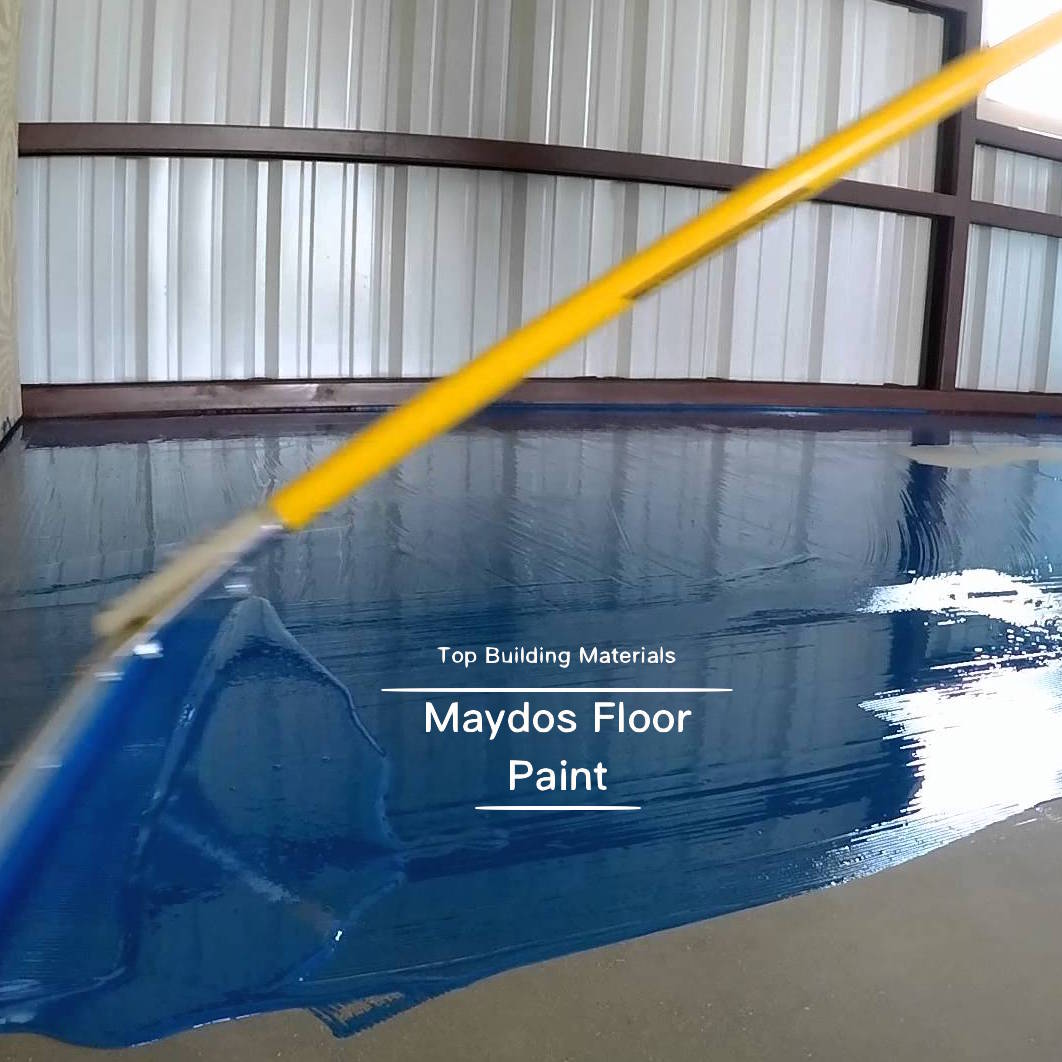





furniture paint
There are two basic types of furniture paint: alkyd (oil-based) and acrylic (acrylic). Acrylic is a newer entrant in the painting world, having been introduced in the 1970s. It is a very popular choice due to its low cost, easy availability, and wide variety of colors. However, while it’s an excellent alternative to oil paints, it does have some advantages over alkyds – mainly that it is easier to use acrylic paint for furniture that requires a lot of cleaning and maintenance. This article discusses the differences between these two types of paint and the reasons why you might choose one over the other. With this information, you’ll be able to choose the paint that is right for your needs.
Alkyd-based furniture paint is made by mixing a liquid acrylic with a non-volatile carrier like urethane, dipropylene, or solvent. There are a few reasons why alkyd might be a better option than acrylic paint for your home, including: It’s easy to use, which means less mess to clean up, and it is resistant to damage from exposure to heat and water. However, alkyd can be thick and sometimes sticky, making it difficult to apply to certain surfaces such as vinyl and latex. Also, alkyds tend to have a poor density, which means they can easily chip if they aren’t maintained properly.
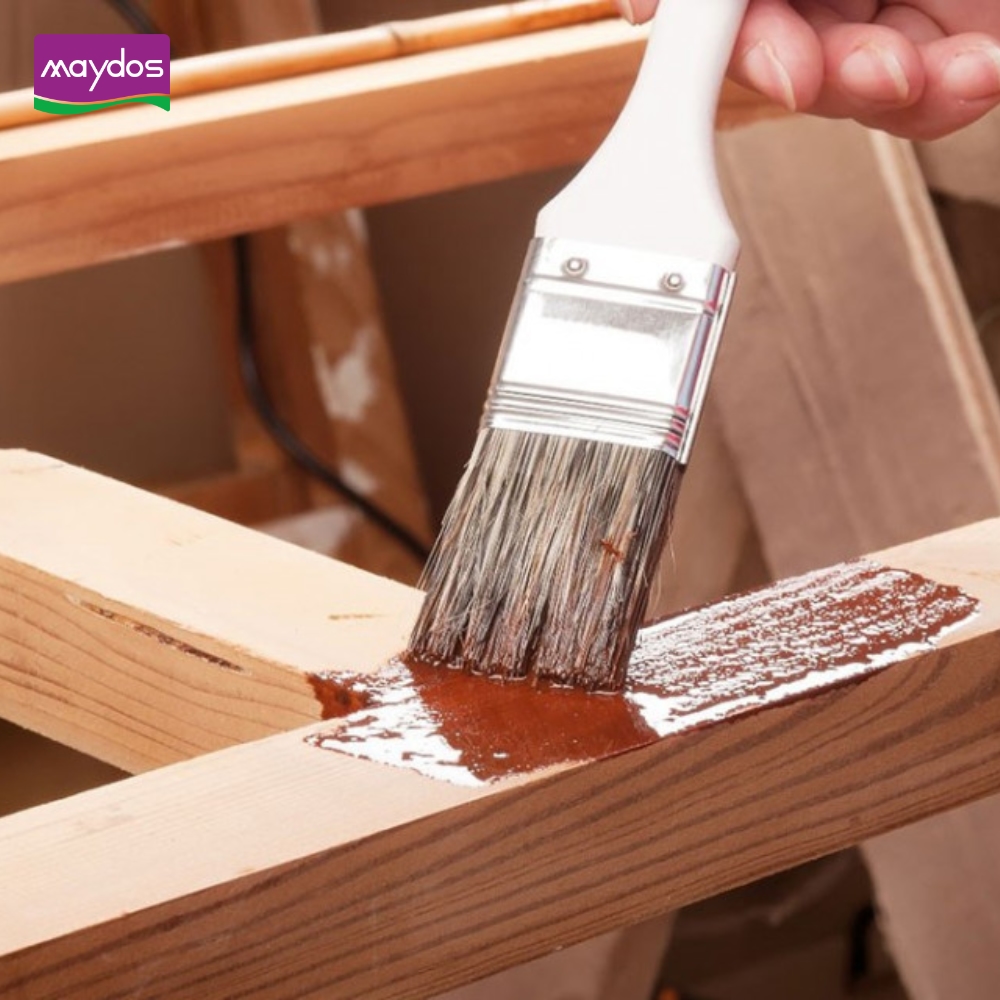
wood paint varnish lacquer
Acrylic is the most popular type of furniture paint because it’s the cheapest. It’s also the most versatile, being able to be applied quickly and easily with little mess or effort. It doesn’t require a great deal of cleaning up after it dries, and because of its superior coverage ability, it looks best on a wide range of furniture types. However, it does have a tendency to build up quickly on certain types of furniture, which can make them look too flat or dull. It can also take on a yellowish color over time, which can look unattractive if not washed away immediately.
A third alternative that’s becoming popular with modern furniture paints is water-based solutions. While it may be more costly initially, many argue it’s well worth it because it dries faster and easier than oil-based versions. Like acrylics, they’re also easy to apply, but they do have their drawbacks. Water-based products dry faster than oil-based ones, and although they’re more forgiving of a bit of puddling, they can still look blotchy after drying if they’re used without being thoroughly cleaned.
The final type of furniture paint we’ll discuss in this article is called UV paint, and it works well for certain surfaces such as plastic and metal. It’s a different chemical than acrylic paint, so it has its own advantages and disadvantages. UV paint dries relatively quickly, often within just a few minutes, which makes it very useful for painting furniture that won’t require painting again for a few years. It can also work on leather, fabrics, and paper items because of its high absorption rate, but it dries much more slowly than acrylic or UV cured products.
If you’re worried about getting paint on your trip, you could try applying it directly to the surface, but most experts recommend that you avoid this option unless you want to totally replace the existing furniture paint on a painted surface. If you’d rather skip the entire painting process, there are several options available to you. For instance, you can sand the furniture with a fine-grit sandpaper and use a brush or roller to buff the wood. Or you can use a commercial wood-finishing product like Behr’s Oils All Natural Wood Flooring Finishing product, which allows you to achieve an ultra-finish and protects the wood from future damage. And if buffing doesn’t give you the results you want, there are several professionals who specialize in custom sanding and buffing services.