













Glue Adhesive
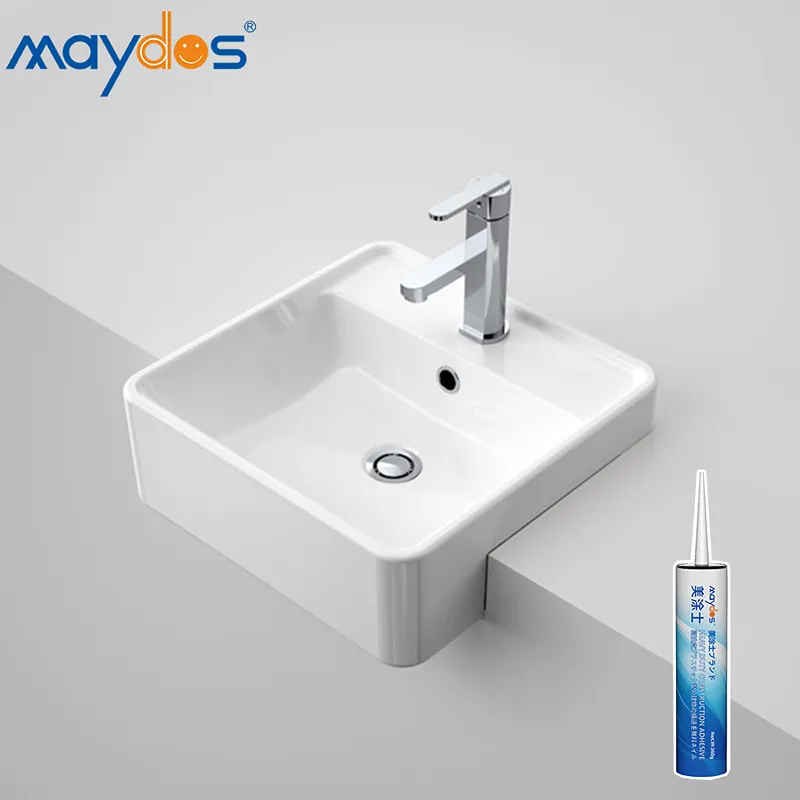
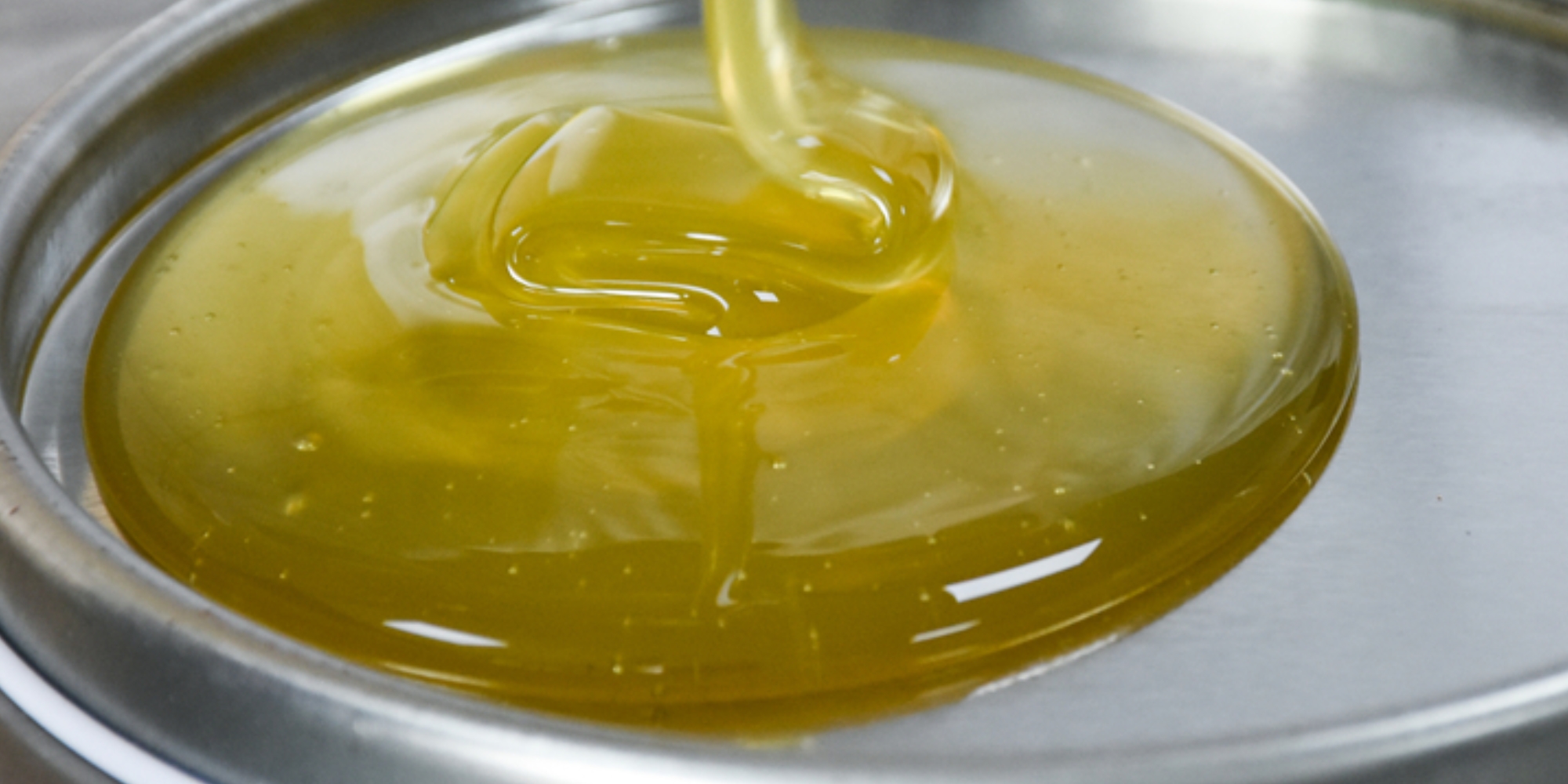
Glue Adhesive is a non-metallic substance that holds two items together. It is a flexible, virtually unbreakable and waterproof substance. It is also known as cement, mucilage, or paste. It is used to attach items together and is one of the most common types of industrial adhesive.
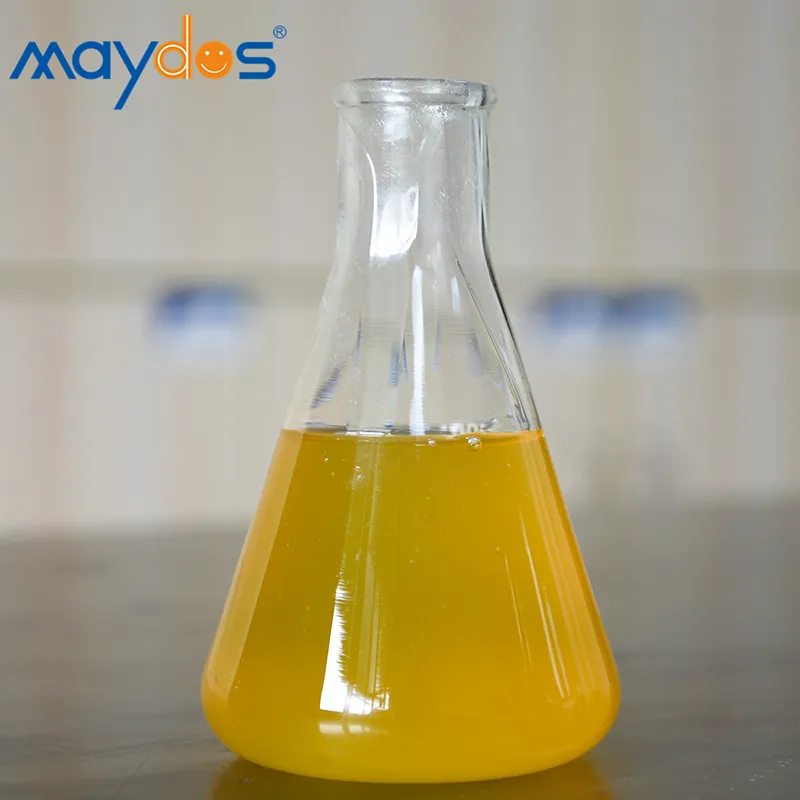
Glue Adhesive is a styrene rubber dissolved in toluene
Glue Adhesive is a liquid compound that bonds two surfaces together. It is often used to adhere items together, including screws and fasteners. It is composed of styrene rubber that is dissolved in toluene. Some versions are water-based, which allows them to be cleaned up easily.
Solvent polarity has a large effect on adhesive viscosity. Solvents with greater polarity exhibit lower adhesive viscosity. This is due to the weaker dispersion of adhesive compositions in these solutions. In addition, solvent polarity can affect the bond strength.
Glue sticks are ideal for labeling documents, making sticky notes for the refrigerator, or resealing envelopes that have lost their stickiness. However, many glue sticks are not waterproof and will only stick together until you pull them apart. Another option is the Avery Permanent Glue Stic, which has a longer-lasting adhesive.
For many years, natural adhesives were used as a binding agent for wood and packaging. In the late nineteenth century, rubber-based adhesives were introduced for use in the shoe industry. In the early twentieth century, phenol-formaldehyde resins became popular for structural adhesives. Over the past four or five decades, natural adhesives have improved considerably. New thermoplastic and thermosetting adhesives are available for more sophisticated applications.
The HMPSA (Hot Melt Pressure-Sensitive Adhesive) is an environmentally friendly adhesive. It is typically processed without solvent in industries, but the casting solution method is often used in laboratories. The study investigated the feasibilities of seven types of solvents and found toluene to be the best solvent for HMPSA. Different solvents affected the quick bond strength and the holding power of the adhesive layer.
It is flexible
This flexible glue adhesive has a unique formulation that bonds hard-to-bond materials. Its incredibly flexible properties ensure the bond remains intact under torsion and bending. It bonds all types of materials, including vinyl, rubber, plastics and fabrics. It also offers a clear bond, making it ideal for a variety of purposes.
Flexible glue adhesive is made from unique MS Polymer technology that allows it to create a flexible bond. This makes it ideal for projects that need a lot of stretch or flex. It is also suitable for a variety of applications, such as sealing and repairing. It is also waterproof and is suitable for use on a variety of surfaces, including vertical surfaces, overhead surfaces, and a range of plastics.
When bonding glass on a vehicle, the adhesive must not only be strong enough to hold the glass in place, but it must also be able to absorb shocks as the vehicle moves. Additionally, some materials are prone to thermal expansion and contraction, so the adhesive must be able to accommodate these changes. If the application requires a flexible glue adhesive, it’s important to choose the right one. The right one will make the bonding process easier and quicker.
Flexible glue adhesives can be used in virtually any industry. The versatile nature of these materials makes them a great choice for sealing and bonding applications. They offer excellent curing speeds and properties for a wide variety of materials. This makes them ideal for sealing and assembly applications where aesthetics are important. Flexible glue adhesives are also useful for sealing and assembling items with multiple surfaces.
FlexEpox flexible epoxy adhesives can bond different materials, including metals, such as aluminum, copper, bronze, and steel. They can also bond wood and glass.
It is virtually unbreakable
It is important to choose the right glue for your project. You need one that will hold up to the weight of the workpiece. It must also be able to withstand any additional weight placed on it. This article will discuss some different kinds of glues and how they can be used for various types of projects.
A new type of adhesive is being developed to replace stitches. In the meantime, doctors want to find a way to fix the stitches permanently. This is possible thanks to new super adhesives that were inspired by the glue found on slugs. The adhesive sticks to wet surfaces and stretches with the body tissues. Unlike normal bandages, slug glue is virtually unbreakable, and it could help speed up the healing process.
The secret of the super glue lies in its chemical composition. It is made from cyanoacrylate, which undergoes a process known as anionic polymerisation. This triggers the molecules to start bonding and form a super strong plastic mesh. When the glue hardens, these molecules can no longer move, making the bond nearly unbreakable.
UV glue is a versatile product that can be applied to almost any substrate. It can bond plastic, glass, metal, wood, and other materials. It can also bond glass to glass, or any variation of it. It is ideal for three-dimensional objects and can be pressed to bond in less than one minute.
It is waterproof
This glue is a super strong, waterproof glue that bonds almost anything instantly. It can be used for indoor and outdoor projects, and its fast cure time allows it to reach its maximum strength in seven days. It can bond wood, metal, foam, and tile. Its high gap-filling properties make it perfect for use in wet conditions.
Although most glues are water-resistant, there are some that are less suitable for outdoors. One of these is cross-linking PVA. This is commonly referred to as “weatherproof” carpenter’s glue. It can bond porous and non-porous materials, and requires no air to cure. It can even bond wood that is submerged, such as decking. While this glue is waterproof, it can be messy and expensive compared to PVA.
When you want to use this glue, you should choose a product that meets your specific needs. For example, Type I glue will not work if you are gluing wood that will be submerged in water, while Type II glue is ideal for wood that is not exposed to water. The best waterproof wood glue will be designed for your specific situation and provide a solid bond at an affordable price. Franklins’ Titebond and Multibond brands are popular options.
It is compatible with copper
If you’re planning to bond copper with another metal, you’ll want to use a copper-compatible glue adhesive. Copper is a soft, malleable, ductile metal with excellent thermal and electrical conductivity. Unfortunately, copper is also prone to corrosion, and you’ll want to choose the right adhesive to minimize the risk of damaging your metal. Luckily, there are several different types of adhesives and tapes available.
To test adhesives for copper compatibility, the researchers tested the adhesion properties of different types of adhesives. A copper-compatible glue adhesive is one that doesn’t fail the adhesion test. Instead, it fails the test if the adhesive flaked off the copper and cracks when the wire is bent.
Copper-compatible glue adhesives are made from resins that are specifically designed for bonding surfaces. These resins can be applied directly to copper and cured in situ, providing a strong bond with the substrate. Copper is oil-free, which makes it suitable for adhesives that require good adhesion.
Copper-compatible glue adhesives are easy to apply and do not react with other materials. They work well on copper, but do not work well on brass, ceramics, or plastics. In addition, they may not adhere well to painted surfaces. They are also limited in their high-temperature resistance. Prolonged exposure to high temperatures may weaken the seal, so cyanoacrylate-based adhesives are best for metal to metal bonding.
Metal adhesives create chemical bonds, which is preferable to mechanical fasteners, welds, and soldering. These adhesives reduce assembly time and require fewer steps than other methods. They also have flexibility.