
















Glue Adhesive Factory
From woodworking to clothing to cars, adhesives are used in countless products worldwide. These materials create strong bonds and are designed to resist moisture, heat and chemicals.
Ranchers once sent horses’ bones to glue factories, but today most glues are synthetic. This is due to advances in resins and plastics and the advent of hot melt technology.
Adhesives
Glues are essential for a variety of tasks, from arts and crafts projects to home repairs. The best glue for a particular job depends on the materials being used, the weight of the items and the amount of moisture that will be exposed. Almost every manufacturing industry uses adhesives, and it is important to choose the right product for each application.
There are many different types of glues available, and each has its own specific properties. Some are designed to cure at a specific temperature, while others react with moisture or other substances in the air. Some are also formulated for specific surface types, such as metals. Others are intended to work well in a closed space, such as thread-locking fluids. Choosing the right glue for an individual project or industry can be difficult, but it is possible to find a solution with the help of a professional.
Adhesives are produced both naturally and synthetically, and they can be made from a wide range of raw materials. Natural glues were first developed in prehistoric times using resins from trees or proteins from animal materials, such as fish skin and hides. These natural adhesives were very useful in binding stone tools to wooden handles, but they had lower resistance to heat and moisture than synthetic glues.
Modern glues can be formulated from a wide variety of ingredients, including polymers, hydrocarbons, phenolic compounds, natural rubbers and esters. Several additives can also be added to improve the durability of glues, such as thickeners, preservatives and solvents. Solvents are a common ingredient in many glues, because they can break down the basic glue components and make them easier to apply.
There are many companies that supply adhesives to the manufacturing industry, and most of these are based in the United States. The top 10 suppliers of adhesives in the country are listed below, along with their sales figures and other details. Those interested in finding more information about these suppliers should visit their websites, where they can learn more about the company and its products. They may also be able to obtain contact information and other information, such as years of operation and company strength.
Adhesive Raw Materials
The sticky substance known as glue has been used by humans since prehistoric times to join various materials together. Today, we use glue in construction, manufacturing, packaging and many other industries. The adhesive industry continues to grow at a rapid pace and there is a need for more advanced glues with higher performance properties. This is driving the industry to search for raw materials from more renewable sources and develop new technology to improve the performance of existing products.
Adhesives are manufactured from a combination of resin, solvent and hardener. The resin is usually derived from petroleum-based products but can also be sourced from renewable sources such as animal or vegetable proteins, natural rubbers and starches. The adhesive formulation also contains additives to enhance product performance and to extend shelf life. In some cases, preservatives and solvents are added to the adhesive to help with handling, storage and application.
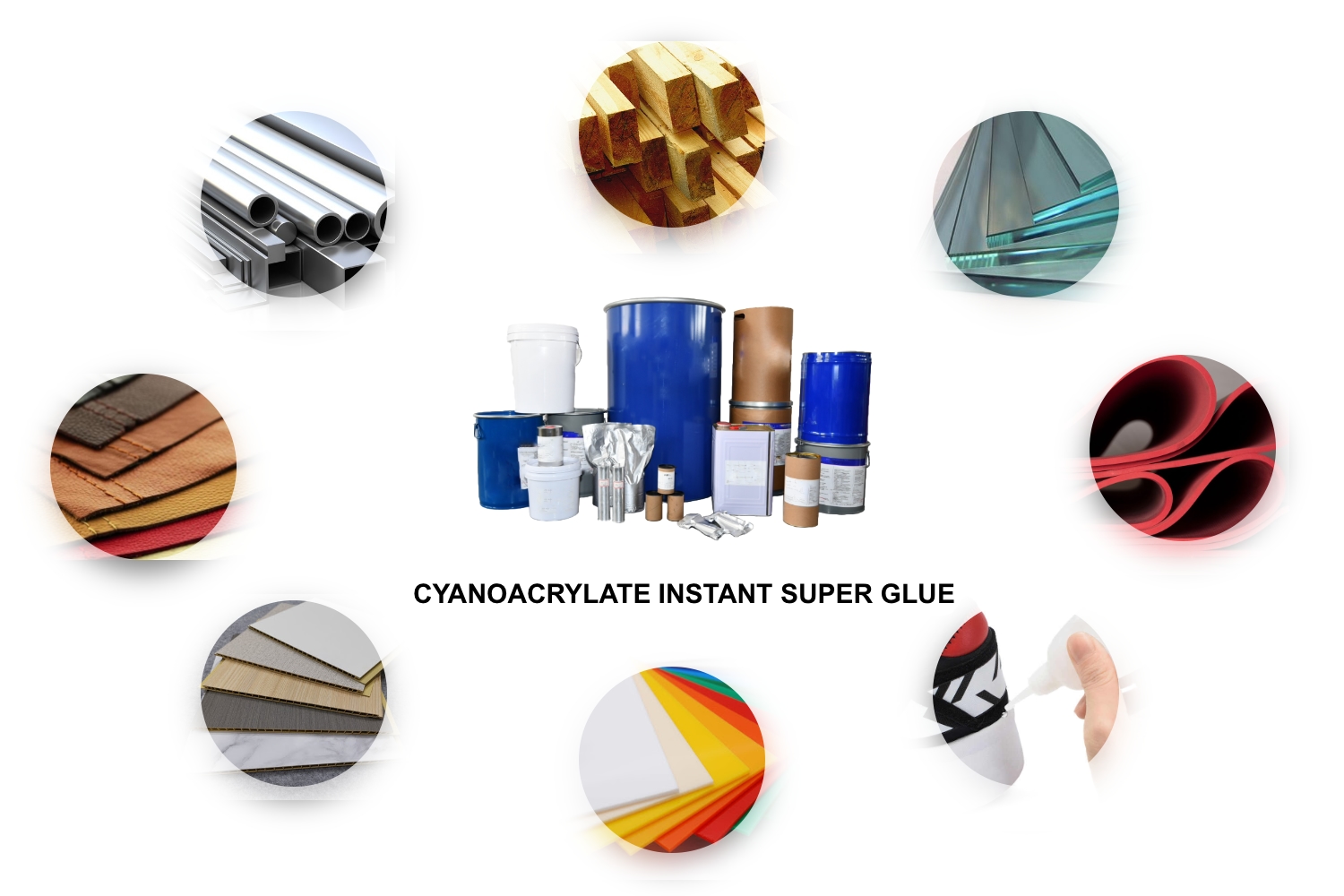
Glues are grouped into different categories according to their raw material source and usage, for example, animal-based glues or cyanoacrylate glues. There are also special types of glues that adhere to glass, metal and ceramic. In the case of animal-based glues, they are made from collagen extracted from animal by-products and cooked at high temperatures.
For plant and starch-based glues, the raw material comes from the seeds, roots and tubers of plants such as cassava, potato, corn or rice. They are then processed to produce a thick paste. Water and other chemicals are added to the paste during manufacture to bring it up to a specific viscosity.
Chemical-based or synthetic glues use polymers to form an adhesive system. The polymer is the key ingredient that defines the adhesive’s heat resistance, strength and other properties. These polymers include nitrocellulose, vinyl acetate-ethylene copolymer, acrylates, polyesters and cyanoacrylates.
Due to environmental concerns, there is a growing demand for more environmentally-friendly adhesives that are formulated from renewable materials and do not require special disposal procedures. These eco-adhesives use high solid solvents that are low in volatile organic compounds, making them safer for the adhesive manufacturing process and for end consumers.
Adhesive Manufacturing
Adhesives are used in many industrial sectors. These include construction, automotive and packaging industries. They can be used to bond dissimilar materials, and they have excellent shear strength. They also have good resistance to moisture, heat and chemicals. They are also easy to apply and can be used in various types of environments. Some of the largest adhesive manufacturers are Henkel, LOCTITLE and Dow Chemical Company.
Henkel first started producing adhesives in 1922. They were originally intended for use in their own packaging departments. Later, they were marketed for commercial purposes. They have since become the world’s leading supplier of adhesive technologies, and their brands are recognized around the globe. Their products are sold in more than 130 countries and have become household names.
The manufacturing industry is a huge consumer of adhesives. The industry is also a major contributor to the economy and provides millions of jobs. The demand for adhesives is influenced by economic conditions, such as GDP growth and unemployment rates. The availability of raw materials and technology are other factors that impact the industry.
Glues are manufactured using a variety of ingredients. These may be natural or synthetic. They are usually formulated to provide specific properties for the desired application. They are made of binding agents, additives and solvents. Binding agents are typically solids and are dissolved in a solvent such as acetone, boiling point spirit or methyl ethyl ketone (MEK). Additives can be added to enhance the bonding performance. They can be natural, such as starch and casein, or synthetic, such as polyurethane.
Modern glues are formulated to bond different materials using a number of mechanisms. Some use direct contact between surfaces while others rely on a third surface to create the bond. Most modern glues are carbon-based petrochemical derivatives and can be used for a wide range of applications.
Some of the top suppliers of adhesives in the United States include Princeton Keynes Group Inc, Franklin International, Henkel, Wisdom Adhesives Worldwide and MAPEI. The table below lists the companies based on their sales. It also includes additional information such as the company name, website, year of establishment and the company’s strength.
Adhesive Packaging
The glue industry is a huge business. It is used in a variety of applications from clothing and shoes to car parts and paper products. There are many different types of adhesives, and each one has its own unique properties. They can be made from natural or synthetic materials, and they are usually formulated for specific applications. The adhesives are packaged in containers that make them easy to use. Some of the most common types of packaging include tubes, bottles, spray cans, and glue guns.
There are a number of major companies that produce adhesives. These include Henkel Ag & Co Kgaa, 3m Company, Fuller H B Co, and Franklin International. The market for industrial adhesives is highly competitive, and the top five players account for almost 40% of the industry’s revenue.
Glues are preferred over tape in many industries, as they offer more adhesion strength and faster application. They also have good resistance to moisture, heat and chemicals. They are available in many forms, including hot melt, cold set and cyanoacrylate. The type of glue chosen depends on the application and the environment.
Hot melt adhesives are the most commonly used for cartoning and other primary packaging applications. These products offer high adhesion, low odor and no charring. They are also formulated for low gelling and stringing. They are also easier to clean up than other adhesives, and they have a wide environmental temperature range.
Cold set and cyanoacrylate adhesives are more common for secondary and end-of-line packaging. These products offer fast setting times and precise application, and they can withstand high temperatures. Cold set adhesives are also available in a wide variety of viscosities, and some have very low odor.
Whether you need a label or an envelope, the right adhesive will ensure that it stays in place. Regardless of the application, the right adhesive can improve your product and save money. Choosing the best adhesive for your project can be difficult, so it is important to work with an experienced team. A company like Smithers Pira can help you find the best adhesive for your needs and save time and money.