













Paint Manufacturer
The Paint Manufacturer industry produces varnishes, stains and coating products used to decorate and protect timber surfaces, walls, roofs and vehicles. This industry does not include manufacturers of artists’ paints, which are classified as a separate industry.
New computer capabilities enable rapid preparation of statistically designed experiments and analysis of results to achieve targeted paint properties, dramatically reducing product development time.
Manufacturing Process
The paint manufacturing industry makes various products to decorate and protect surfaces from wear, tear and weather. This includes coatings such as oil, latex and emulsion paints. The industry also produces timber finishes, fillers and putties as well as a range of paint thinners and removers. Manufacturers use a variety of ingredients to create the desired color and properties for each product, including pigments, binders, solvents and additives. The manufacturing process is complex and requires careful weighing, mixing and quality control to ensure the end result is of high quality.
The first step in the paint manufacturing process is blending and preparing the raw materials. This can be done using large industrial mixing equipment or simply a blender with a high capacity agitator. Different mixing methods are required for waterborne and solvent-based formulations. For example, a waterborne system requires a mixer with much higher power-per-volume than a solvent-based system. A paint manufacturer will choose the right mixer based on the established manufacturing process, type of tank and viscosity of the paint.
After a batch is mixed the paint moves to another vat where it is thinned. During the thinning process the manufacturer will add extenders to the paint in order to enhance its scuff and crack resistance, drying time, film durability and sheen. A sample of the finished product is then tested to determine if it meets all required standards and specifications.
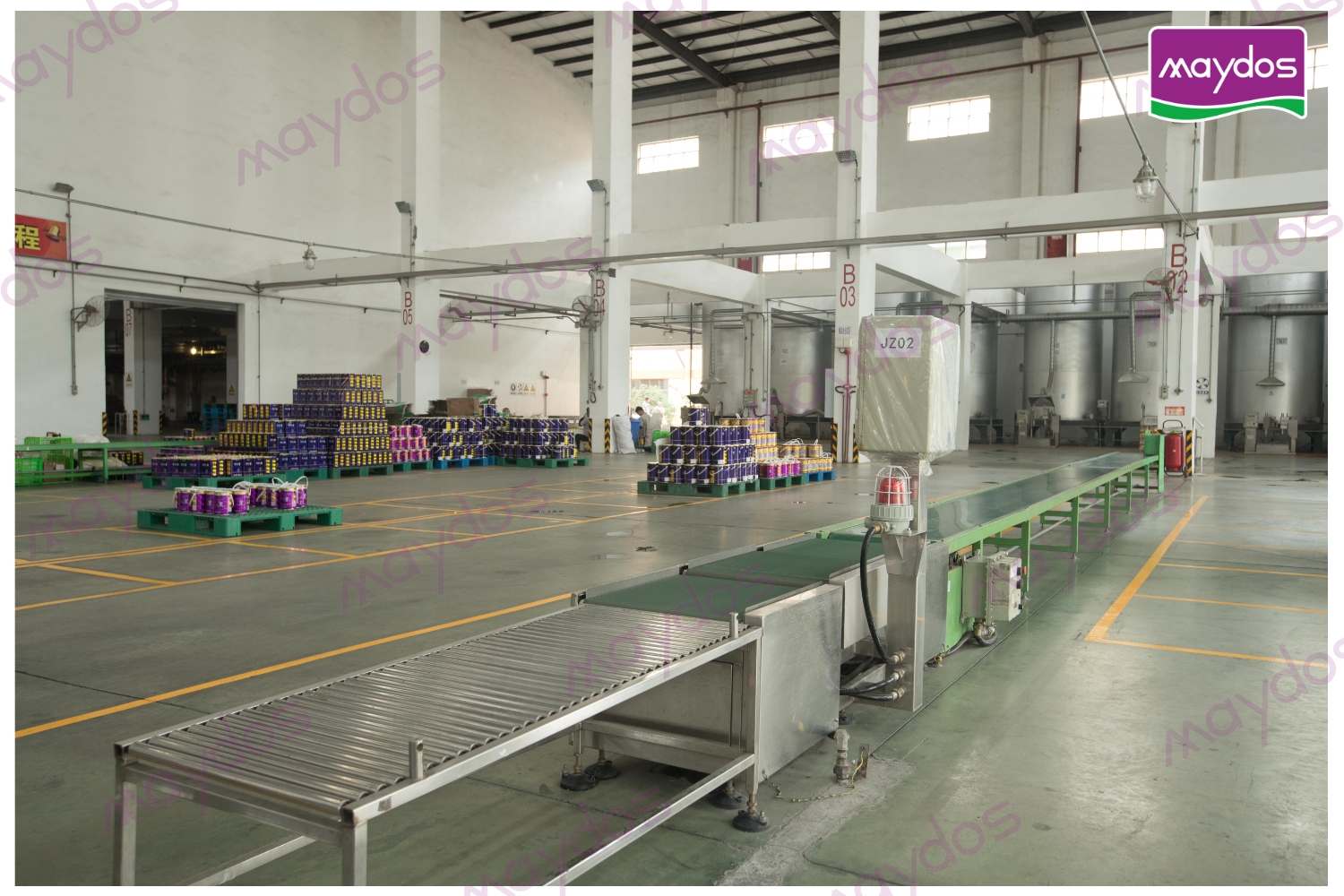
The paint is then prepared for the canning process. During the canning phase two samples are taken; a retain sample, which is held for future reference and a final inspection sample. Once the product has passed the canning and testing processes it is ready for shipment.
Pigment Dispersion
A paint manufacturer produces a wide range of products to meet the needs of various industries. These include industrial coatings, automotive, and chemical coatings. Many paint manufacturers also provide ancillary products such as solvents, tints, and additives. These products are often formulated to meet specific environmental, safety, and performance requirements. For example, some paints are manufactured to comply with EPA guidelines for VOC emissions. Others are formulated to reduce the use of toxic solvents and other materials that may be harmful to workers or the environment.
In addition to producing a wide range of paints, the company provides wood finishing products like protective finish wood stains. These stains are used to give a premium look to a variety of surfaces including cabinets, wood furniture, countertops, bar tops, Steel doors, and paneling. The company’s stains are available in a wide variety of colors to suit different applications.
The ancestor of paint was pigment, and societies throughout history experimented with using it to decorate walls and crockery. Today, paint is made from a dispersion of finely ground pigments in a liquid or paste vehicle. The pigments can be natural or synthetic, and the vehicle is a solvent that dissolves the pigments and allows them to dry and harden.
The company’s products are used in a wide range of industries and applications, including aerospace, automotive, chemical, and electronics. Its products are sold through distributors, dealers, and direct sales. The company is headquartered in Indianapolis, Indiana. Essex Brownell distributes a broad range of specialty paint and chemicals for aerospace, marine, auto manufacturing, and other industries. The company offers dispersion, silicone, and resin coatings. Its products are sold throughout the US.
Resin
Resin is a semi-solid organic compound that can be cured into a hard plastic material. It’s often combined with pigments, additives, and other materials to create paint. It also serves as a bonding agent, which makes it ideal for painting surfaces that are not porous or absorbent. In addition, resin offers resistance against water and other weather-related damage.
There are various types of resins available on the market, each of which has its own benefits and drawbacks. For example, polyester resins are very flexible and easy to mold, making them popular for crafting purposes. This type of resin is also resistant to direct heat and open flames, and it can withstand chemical damage. Other types of resins include polyurethane, which is more fluid before curing and can be easily cast into a desired shape. This type of resin can be enhanced with additives, such as glitters or beads, to give it a unique look.
The resin process is a vital part of the painting process. It helps to make the paint durable, waterproof, and more visually appealing. It also reduces the amount of maintenance required. Resins can be wiped off or retouched to renew their appearance. Moreover, some types of resins are resistant to UV light, which makes them suitable for outdoor artwork.
Some of the top paint manufacturing companies in the US include Behr Paint Corporation, Dutch Boy Paint, and ZAR Paints. These companies specialize in a wide range of paints, including interior and exterior stains and clear coatings. They also offer different types of diluents, which vary depending on the type of paint. Linseed oil is the most common diluent for water-based paints, while aromatic solvents, such as petroleum distillates, esters, aliphatics, and glycol ethers, are used in oil-based paints.
Additives
Paint additives help to improve the quality of a painted surface. They are used for various applications, including stain resistance and to increase the hardness of the coating. Stain resistance additives work by sealing up pores on the surface and preventing discoloration. This is a valuable feature in industrial paints, where paint can be subject to harsh chemicals that could cause it to break down.
Other additives are designed to make the paint flow better and dry quickly. These additives can also help to prevent the formation of bubbles, which can ruin the appearance and texture of a painted surface. In addition, they can help to keep the paints from dripping and leaving brush imprints on surfaces.
The use of additives in paints and coatings has increased significantly over the past few years, owing to rising construction spending and growth in automotive and aerospace sectors. The demand for eco-friendly coatings is also driving the market. This is especially true in Asia, which is the largest consumer of paints and coatings. The market for additives in this region is expected to continue to grow rapidly, largely due to increasing construction expenditures and the rapid growth of the automobile industry.
However, stringent regulations regarding the use of solvent-based paints and coatings containing volatile organic compounds (VOCs) are hampering the growth of the additives market. These regulations are intended to limit VOC emissions, which can be dangerous to human health. The market for these additives is partially consolidated in nature, with the top five players accounting for approximately half of the global market.
The leading players in the market include Dow, BASF, Evonik Industries, and the Bodo Moller Group. Other major players include AkzoNobel N.V. and the Yingde Chemical Company. The Yingde Chemical Company produces butanediol, an additive for coatings applications that can be used as an alternative to methyl palmitate. It is a low-VOC and high-performance wetting agent that can be added to the pigment or filler dispersion stage or post-addition in the letdown and final paints. It can also be mixed with other additives to improve their performance.
Testing
A paint manufacturer must ensure that the final product meets safety, environmental and regulatory standards. This involves a variety of tests including:
Abrasion testing is the process of evaluating how much wear and tear a specific paint can withstand. This is critical for professional painters who use their work to protect surfaces and objects from the elements. From shoes walking over painted concrete to children bumping into walls with their toys, different paints withstand different levels of abuse and abrasion. Abrasion testing helps paint manufacturers create products that can reliably protect surfaces with abrasive environments.
Chemical analysis of a paint or coating is another vital process. This includes determining the presence of hazardous elements such as lead, cadmium and mercury, among others. It also involves analyzing the chemical composition of the paint or coating to ensure that it adheres to the proper regulatory guidelines. For example, paints that are sold in green markets must pass a variety of tests related to their environmental sustainability and indoor air quality.
Other important tests include salt spray testing, a Taber abrasion test and the cross-hatch adhesion test. These tests help identify any areas where the paint may fail, such as pinholes. These are small pockets of space that can enlarge during the curing process and cause corrosion in the substrate. They can be difficult to catch visually and must be detected with the appropriate testing instruments.
The reactivity of paints and coatings to alkali and acids is also tested by using the Taber abrasion test and a falling sand test. This enables a manufacturer to determine whether its paint will react with other materials such as plaster, lime and cement.