












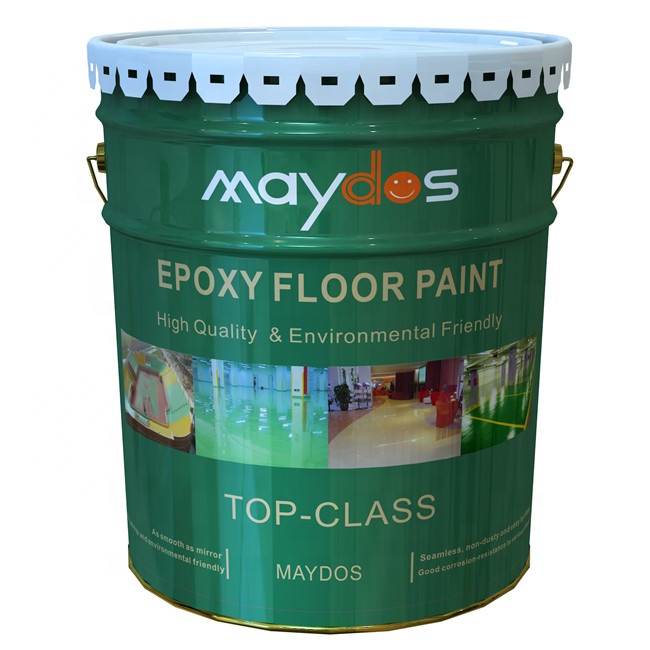
Epoxy Coatings
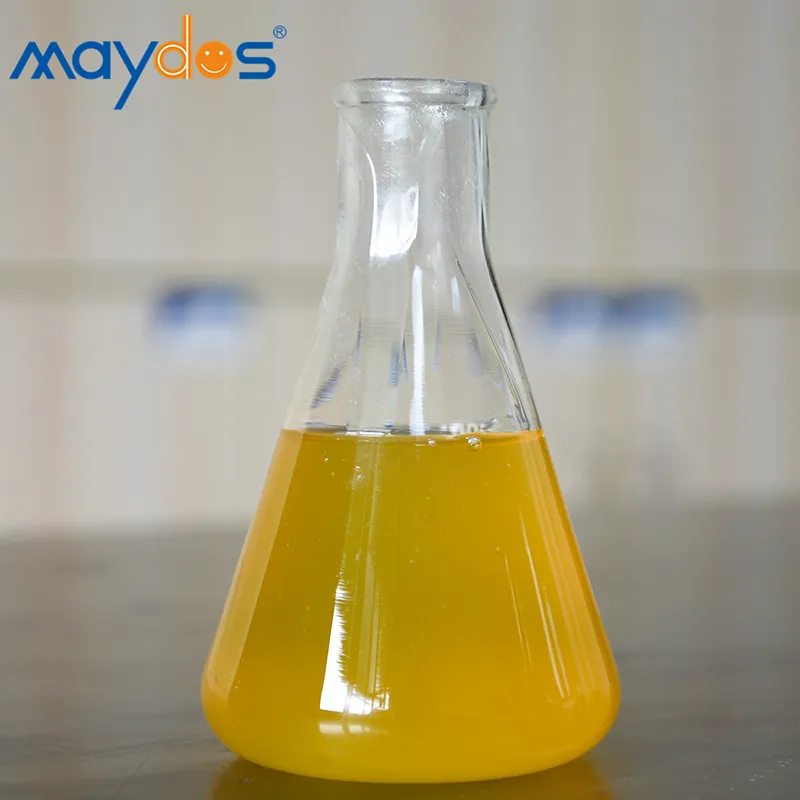
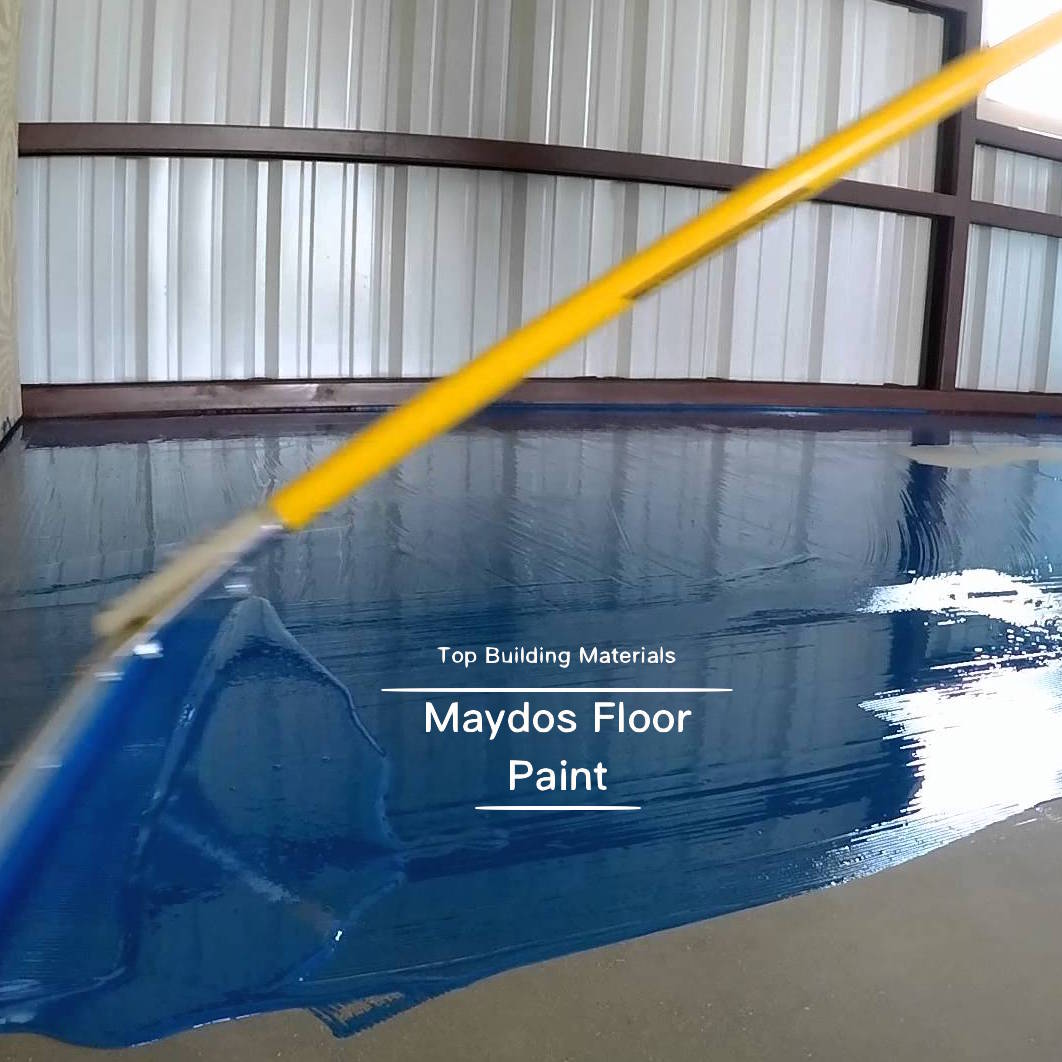
Epoxy is a two-part liquid that you mix before application. It’s a highly effective material that adheres well to concrete floors.
It offers great impact, abrasion and scuff resistance. It can also be customized to include anti-slip measures and a color of your choice.
Property holders that have factories, warehouses or industrial plants can benefit from epoxy floor coating because it is chemical resistant.
Durability
Epoxy resins are hard wearing and provide excellent resistance to many chemicals and physical impacts. This makes them ideal for use in shops, showrooms and restaurants among other commercial venues. They are also water-resistant and don’t easily become damaged by heat. This type of flooring is also easy to clean and durable enough for heavy foot traffic and other forms of impact.
However, not all epoxy floor coatings are the same and there are some important differences between them. For example, different epoxies are created using a range of chemical combinations and curing methods. Some are cured at room temperature by adding a hardener, while others require specific conditions such as ultraviolet light for the long polymer chains to bond to one another, transforming them from liquids into solid thermoset plastic.
The resulting differences in physical properties mean that different epoxies can offer different levels of performance. This is especially true when it comes to garage floor coatings. Unfortunately, national brands of DIY garage floor coatings are often promoted with claims such as “Glossy finish”, “No hot tire pick-up” and “5x Stronger than 1-part epoxy”. These statements are misleading and can lead consumers to believe that all epoxy is the same.
This is why it’s important to do your research before buying a product. You can check the physical properties of an epoxy by pouring a small amount of water onto the surface. If the water beads rather than soaking in, it’s likely that the concrete is sealed and may not be suitable for an epoxy coating. Alternatively, you can contact an experienced flooring specialist and ask them to test the surface for suitability.
Chemical Resistant
Epoxy coatings can withstand a wide range of chemicals, providing excellent chemical resistance. It is important to choose the right type of epoxy for your application, though. There are many factors that impact the chemical resistance of epoxy, including the chemical structure and crosslinking density of the thermoset system.
Epoxies are generally much more heat- and chemical-resistant than many glues, and they can be applied to a wide variety of surfaces, such as wood, glass, metal, stone, and most plastics. They also have good adhesion, meaning that they can bond well to a variety of materials. They are also more durable than most paints, and they are easy to clean.
In its cured, hardened state, epoxy is not toxic. However, it is important to take precautions when applying the product, and always follow the manufacturer’s recommendations for temperature and application. Unsuitable temperatures can cause the epoxy to bubble or peel, and too much heat can cause it to sag.
The chemical resistance of an epoxy resin is determined by the combination of curing agent, resin, diluent, and additives used in the formulation. Typically, the higher the concentration of these components, the better the chemical resistance of the epoxy. The curing agent and resin diluent can affect the chemical resistance of an epoxy coating by influencing its structure and functionality. The degree of cure and crosslinking density can also influence the chemical resistance of an epoxy coating.
Modified cycloaliphatic amines are the most commonly used curing agents for epoxy resins. They produce dark coatings and have excellent resistance to heat, chemicals, solvents, and water. Other options include aromatic amines, which are more flexible and have less rigid ring structures than aliphatic amines. These are more suitable for low-temperature cure, and they provide good resistance to water & damp conditions.
Shock Resistant
Epoxy coatings are resilient to heavy objects and car tires. They will not chip or crack under pressure and are therefore ideal for flooring in a garage where cars are frequently parked and driven over for storage and repair. It is also a good choice for warehouse floors and industrial plants where chemicals may be used on the floor. This helps to reduce the amount of wear and tear that transport vehicles experience, which can help cut down on costly maintenance costs.
Another benefit of epoxy is that it is resistant to heat. Depending on the type of epoxy that is used, some may be able to resist temperatures as high as 200 degrees Fahrenheit. Phosphorus, which is added to some epoxies, can increase this temperature resistance.
Due to its density and depth, epoxy is also a good choice for areas that are exposed to chemicals. This is a major benefit for warehouses and industrial plants, as chemical spills are often unavoidable in these areas. Epoxy will not absorb these chemicals, so the chemicals can be cleaned up easily without damaging the concrete underneath.
Epoxy is also resistant to shock. This is a great advantage for large warehouses and garages, as it means that the floor can be walked on or driven over without being damaged. It is a much better choice than bare concrete, which can be damaged by the weight of cars or the vibrations of equipment and machinery.
Epoxy is easy to clean and requires little maintenance. A simple sweep and mopping with a mild detergent or cleaning product will usually suffice for most facilities. This makes it a cost-effective choice for most businesses. It also increases visibility in large spaces, as it has a shiny surface that reflects light and brightens the space.
Slip Resistant
Various aggregates are often added to epoxy coatings in order to create non-slip surfaces. These materials may include colored quartz, silica sand, aluminum oxide, plastic media (polypropylene or glass spheres), or walnut shells. The type of aggregate used is often dictated by the environment the coating will be in. For example, a parking deck with a high amount of vehicular traffic would benefit from an additive that provides positive traction for cars and trucks to stop on or off the road.
These additives can be sprinkled on top of a base coat or mixed into the final top coat and can create a coarse, non-skid surface that is abrasion resistant and resists gasoline, acids, hydraulic oils, and alcohol. These can be applied to concrete floors, steel floors, ramps and loading docks, and any industrial or commercial flooring where a tough, safe footing is required.
A non-skid epoxy floor coating is also good for areas prone to precipitation or where it rains often. This is because these epoxy coatings are designed to collect and absorb water, which is then able to dry in the process. They are also extremely durable and can withstand the heavy foot traffic that comes with most warehouses or office buildings.
However, there is a downside to having an epoxy floor. It can become slippery if it gets wet, which is not ideal for homes with small children or elderly family members. This is why many people choose to cover their epoxy flooring with carpet, which can be easily cleaned with a mop or broom. In addition, it is a cheaper solution than installing a new floor. However, these carpets can also be susceptible to damage and are not as long-lasting as an epoxy coating.
Easy to Clean
A good cleaning and maintenance regimen will go a long way to the longevity of your epoxy floor coating. Keeping your floors clean will not only keep them looking great, but it will also help protect against the physical changes in the floor that can damage or weaken it over time.
Epoxy floors are easy to wipe down when there are spills or dirt that needs to be cleaned up. It is important to wipe up spills as soon as they happen rather than waiting until your next scheduled floor cleaning, as the dirt can embed in or scratch the epoxy.
Generally, you can use a kitchen scrubbing pad or soft deck brush to get rid of any grease, oil or chemical residue that may have accumulated. Make sure that you do not scrub too hard because it can dull the gloss of your epoxy. It is also recommended that you have a neutralizing agent available in your garage, as this will prevent unwanted reactions with the chemicals that could discolor the epoxy and cause odors.
Rust stains are another thing that can happen to epoxy floors, as they are very common in a garage where cars and heavy equipment is kept. To remove rust, simply use a solution of equal parts of lactic acid-based cleaner (such as CLR) and water. You can apply this directly to the rust stain and then scrub with a soft scrub brush. Remember to rinse with cold clean water once you are done scrubbing your floor.
As you can see, epoxy flooring is quite durable and has a variety of benefits to offer over concrete. However, it will need to be replaced over time as everyday wear and tear takes its toll on the coating. If you want to extend the life of your epoxy flooring, be sure to use mats for vehicles and equipment, if possible, as well as plywood under equipment and tools that might scratch the floor.